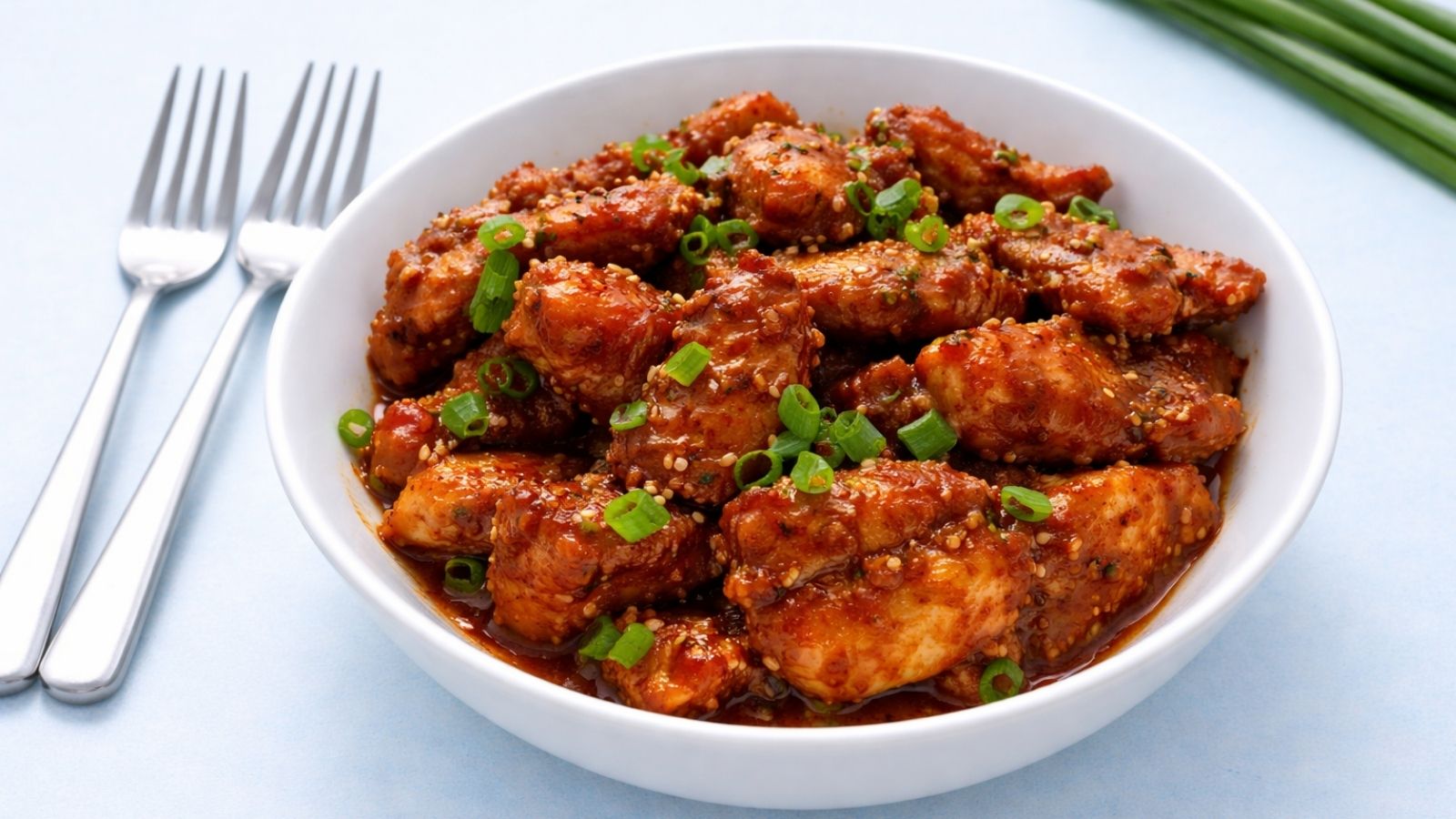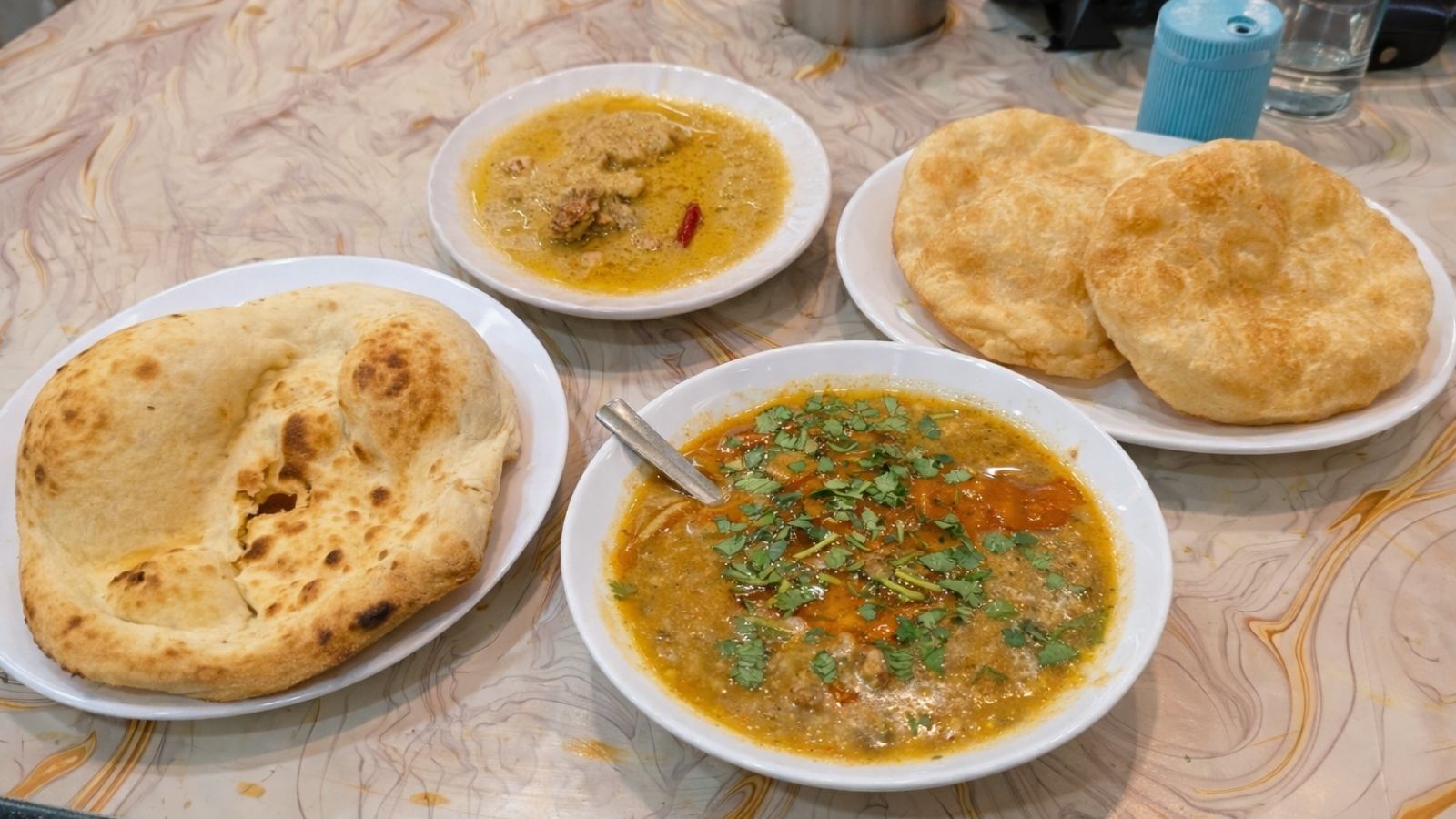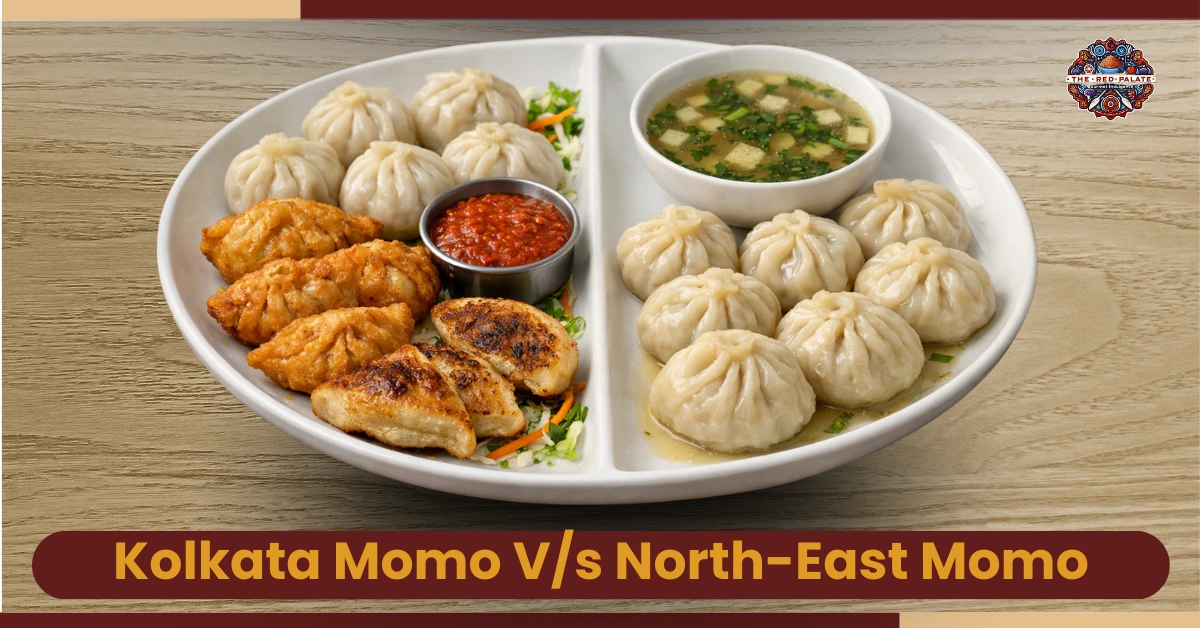
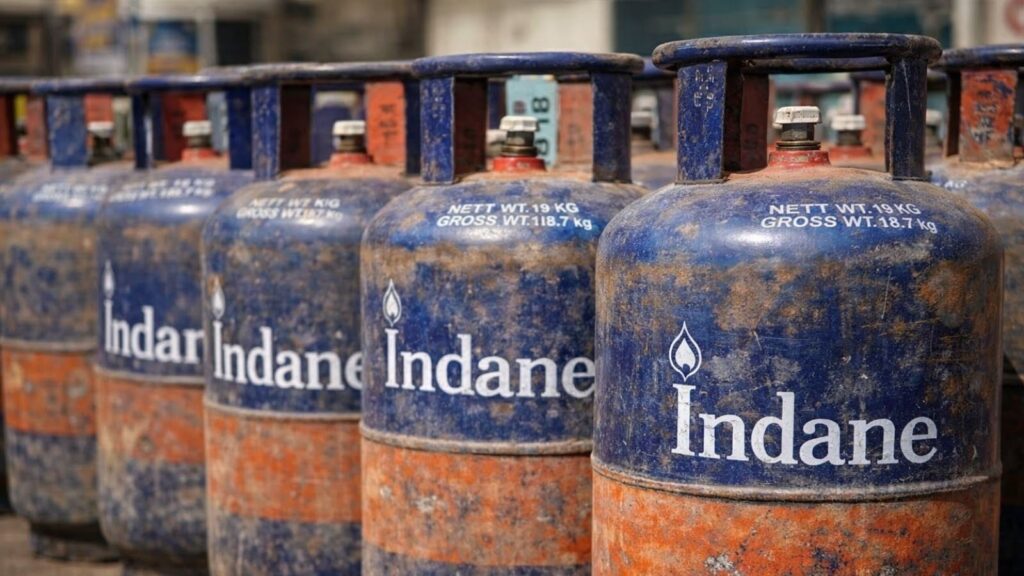
Imagine walking into your favourite neighbourhood restaurant on a normal weekday evening. The place where the chilli chicken is always crispy, the biryani always comes with that perfect aloo, and the familiar smell of garlic, soy sauce and spices welcomes you before the waiter even arrives. “Closed due to gas shortage.”
Over the past few weeks, the LPG Gas Crisis in Kolkata has started affecting restaurants across the city. From small neighbourhood eateries to well-known dining spots, many kitchens are struggling with irregular supply of commercial LPG cylinders.
Just a few months ago, this would have sounded impossible in Kolkata — a city where food never stops. But right now, many restaurant owners across the city are quietly dealing with something they never expected. “LPG Gas Crisis in Kolkata”. Commercial LPG gas — the fuel that powers almost every restaurant kitchen — is suddenly becoming difficult to get.
And the reason lies far beyond Kolkata.
When a war thousands of kilometres away begins to affect the kitchens of a city that lives for food.
Table of Contents
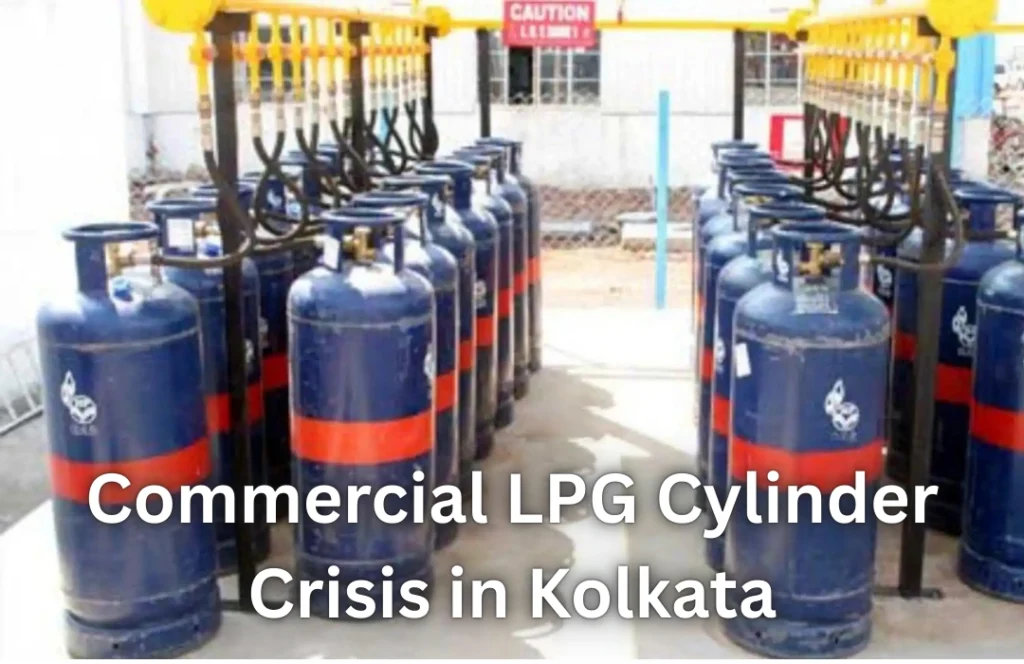
The LPG Gas Crisis in Kolkata Is Slowly Affecting Restaurant Kitchens
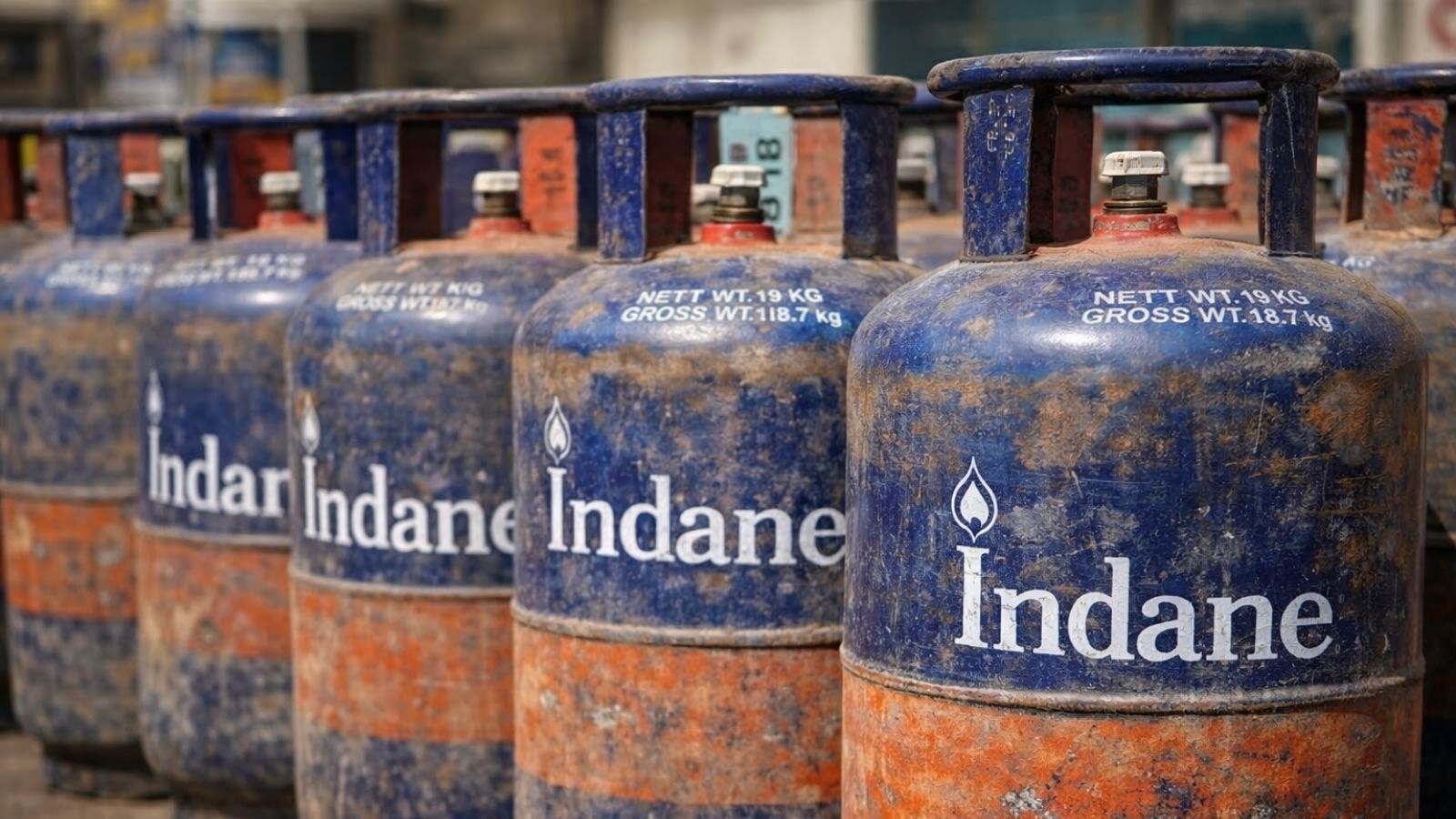
The LPG Gas Crisis in Kolkata is no longer just a news headline — it is becoming a real concern for restaurant owners across the city. Over the past few weeks, many eateries have reported difficulty in getting commercial LPG cylinders, the 19-kg cylinders that power most restaurant kitchens. Without a steady supply of these cylinders, everyday cooking operations become uncertain, forcing restaurants to rethink menus, cooking schedules, and even opening hours.
For a city like Kolkata, where eating out is part of daily life, the LPG Gas Crisis in Kolkata could have a ripple effect across thousands of food businesses. From small roadside eateries to established restaurants, everyone depends on consistent LPG supply to keep their kitchens running smoothly.
How a Middle East Conflict Reached Kolkata’s Kitchens
The current LPG shortage in Kolkata did not start in India. It began thousands of kilometres away in the Middle East.
India is the second-largest consumer of LPG in the world, and a significant portion of this gas is imported. Nearly two-thirds of India’s LPG demand depends on imports, and most of those shipments pass through a narrow but extremely important shipping route known as the Strait of Hormuz.
This strait lies between Iran and the Arabian Peninsula, and it carries a huge share of the world’s oil and gas shipments.
When tensions and military activity in the region escalated recently, shipping routes became uncertain. Supply schedules were disrupted, and global LPG logistics suddenly tightened.
To prevent a domestic household gas crisis, the Indian government reportedly decided to prioritise LPG supply for households and essential institutions such as hospitals and educational facilities. That decision made sense from a national perspective. But it created an unexpected ripple effect.
Commercial LPG cylinders — the 19 kg cylinders used by restaurants, bakeries and food stalls — suddenly became scarce.
Why Restaurants Depend So Heavily on LPG
For most customers, a restaurant kitchen is something they rarely see.But if you step inside one, you will immediately understand something important:
Almost everything runs on gas.
Restaurant kitchens depend on LPG for:
- High-flame Chinese wok cooking
- Tandoor ovens
- Biryani dum cooking
- Bulk curry preparation
- Deep frying stations
- Soup boilers
Unlike home kitchens, restaurants require continuous high-heat cooking for hours. Even a medium-sized restaurant can go through dozens of LPG cylinders every month. Larger restaurants may require hundreds. Without gas, the kitchen simply cannot function. It is not a luxury. It is the heart of the entire operation.
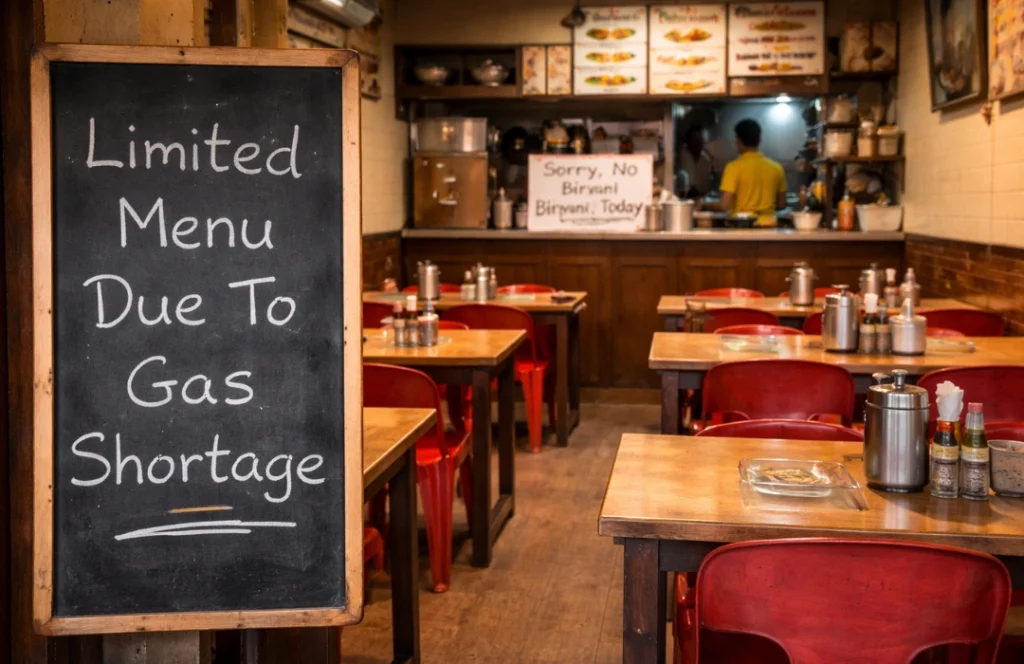
How the LPG Gas Crisis in Kolkata Is Impacting the Food Industry
The LPG Gas Crisis in Kolkata is affecting small and mid-sized restaurants the most, as they depend entirely on commercial gas cylinders and usually have limited storage. When supply becomes irregular, many kitchens are forced to slow down operations, cut menu items, or temporarily shut until new cylinders arrive.
If the LPG Gas Crisis in Kolkata continues, experts warn it could disrupt the city’s food industry and impact thousands of workers connected to restaurants, street food stalls, and delivery services. For many businesses, running daily kitchen operations without reliable LPG supply is becoming increasingly difficult.
Kolkata’s Food Industry Is Feeling the Pressure
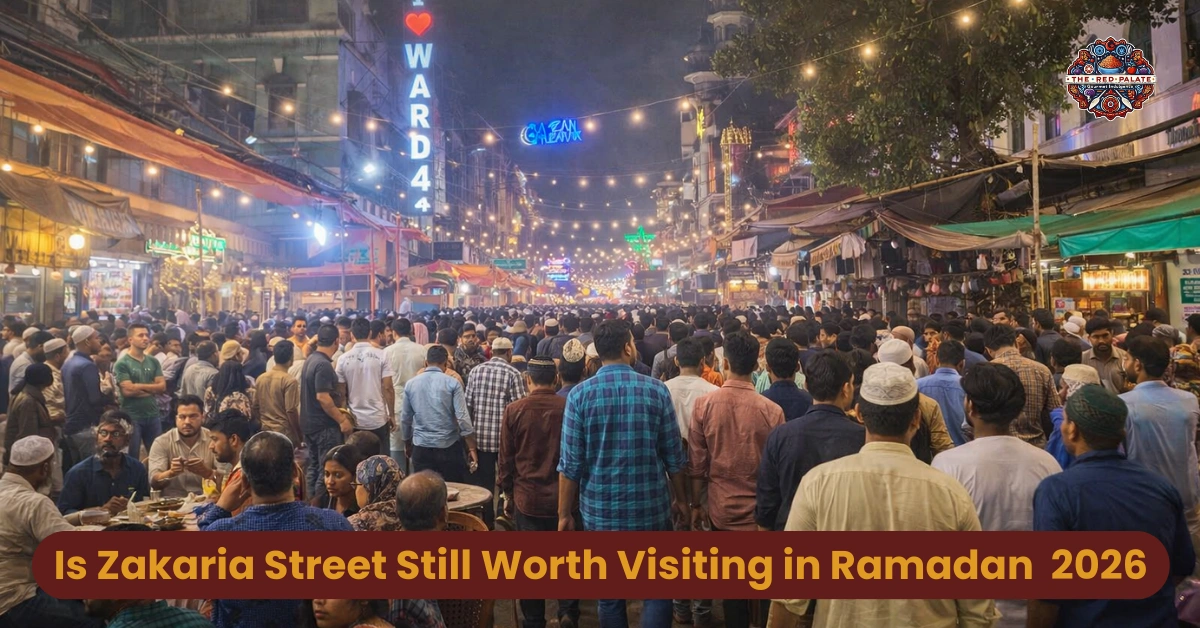
Kolkata has one of the most vibrant restaurant cultures in India. From old cabin restaurants in North Kolkata to late-night biryani shops in Park Circus, from street momo stalls in Jadavpur to office lunch spots near Sealdah, the city’s food economy runs deep.
Industry estimates suggest that Kolkata has nearly 5,000 restaurants, employing thousands of chefs, kitchen staff, servers and delivery workers.
Recent surveys by restaurant associations indicate that many establishments are already facing operational disruptions, while others only have a limited gas supply left. For restaurant owners, the concern right now is not just price. It is availability. You can pay more for gas. But if cylinders are simply not available, there is nothing to buy.
What the Situation Looks Like on the Ground
Across different parts of Kolkata, restaurant owners are trying to adapt to the situation in whatever way they can. Some are reducing their menus. Some are changing operating hours. Some are experimenting with alternative cooking methods. But none of these solutions are easy.
Restaurants Are Reducing Menu Items
Many kitchens are quietly limiting the number of dishes they prepare each day. Instead of running a full menu, restaurants may focus only on their most popular items. This helps reduce gas usage and extend existing cylinder stock. Customers may notice dishes marked as “not available today”, but behind the scenes this is often a deliberate fuel-saving strategy.
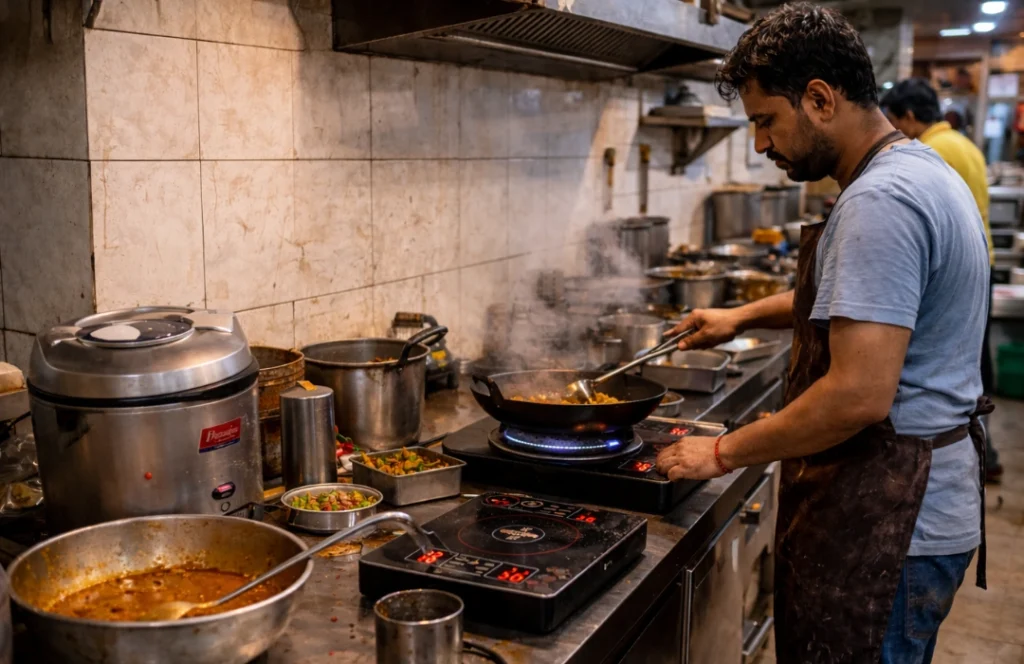
Electric Cooking Is Being Tested
Some restaurants are experimenting with induction cooktops and electric equipment. However, restaurant cooking requires extremely high heat — especially for:
- Chinese wok cooking
- Tandoor dishes
- Deep frying
Electric equipment can help with smaller tasks but cannot easily replace a full commercial kitchen setup. For many small restaurants, switching to electric cooking would require expensive infrastructure upgrades.
Small Eateries Are the Most Vulnerable
The biggest impact is being felt by small food businesses. Think about the places that feed thousands of people daily:
- Rice hotels near Sealdah station
- Small biryani kitchens
- Local Chinese takeaways
- Roadside roll counters
- Tea and momo stalls
These businesses operate on very thin profit margins. Even a short disruption in LPG supply can force them to temporarily close.
Some vendors have already started considering coal or charcoal cooking again — something the city moved away from years ago for environmental and safety reasons.
Delivery Apps Are Also Feeling the Impact
The ripple effect doesn’t stop with restaurants. Food delivery platforms like Swiggy and Zomato also depend on restaurant kitchens operating normally. If restaurants reduce cooking capacity or temporarily shut down, the number of available orders naturally drops.
This affects thousands of delivery workers who rely on daily orders for income. In a city where online food delivery has become a daily routine, even small disruptions can be felt quickly.
The Bigger Issue: India’s Energy Dependence
The current crisis highlights a much larger reality. India depends heavily on imported LPG, and much of that supply travels through geopolitically sensitive regions.
For years this vulnerability has been known, but moments like this show how quickly global events can impact local economies. A conflict happening thousands of kilometres away can suddenly affect something as simple as cooking dinner in a restaurant.
What Happens Next?
Government authorities have indicated that supply chains are being closely monitored and domestic production adjustments are being considered.
Restaurant industry groups have also requested that food businesses receive priority consideration in LPG distribution, arguing that restaurants are a critical part of the urban economy.
If global supply routes stabilise soon, the situation may improve quickly. But until then, many restaurants are operating day-to-day, hoping the next cylinder will arrive on time.
A Note from The Red Palate
We are writing this not just as observers, but as participants in the same ecosystem.
Like every restaurant in Kolkata, we depend on the same LPG supply that powers thousands of kitchens across the city.
Right now, restaurant owners everywhere are doing what they have always done during difficult times — adjusting, improvising, and continuing to serve their customers as best as possible.
Because in Kolkata, food is more than business. It is culture, comfort, and community.
The conversations that happen across restaurant tables, the familiar dishes people return for week after week, the small neighbourhood eateries that quietly feed entire communities — these are part of the city’s identity.
And those kitchens deserve support. So if your favourite local restaurant is still open, consider dropping by. Order something you love. Leave a good review. Tip the staff if you can. Because sometimes the best way to support a city’s food culture is simply to show up and eat.
After all, as every Kolkatan knows: “Gas thakle ranna hobe… na hole shob bondho.”
And hopefully, very soon, those kitchen flames will be burning strong again.